Hardwood Flooring Guide
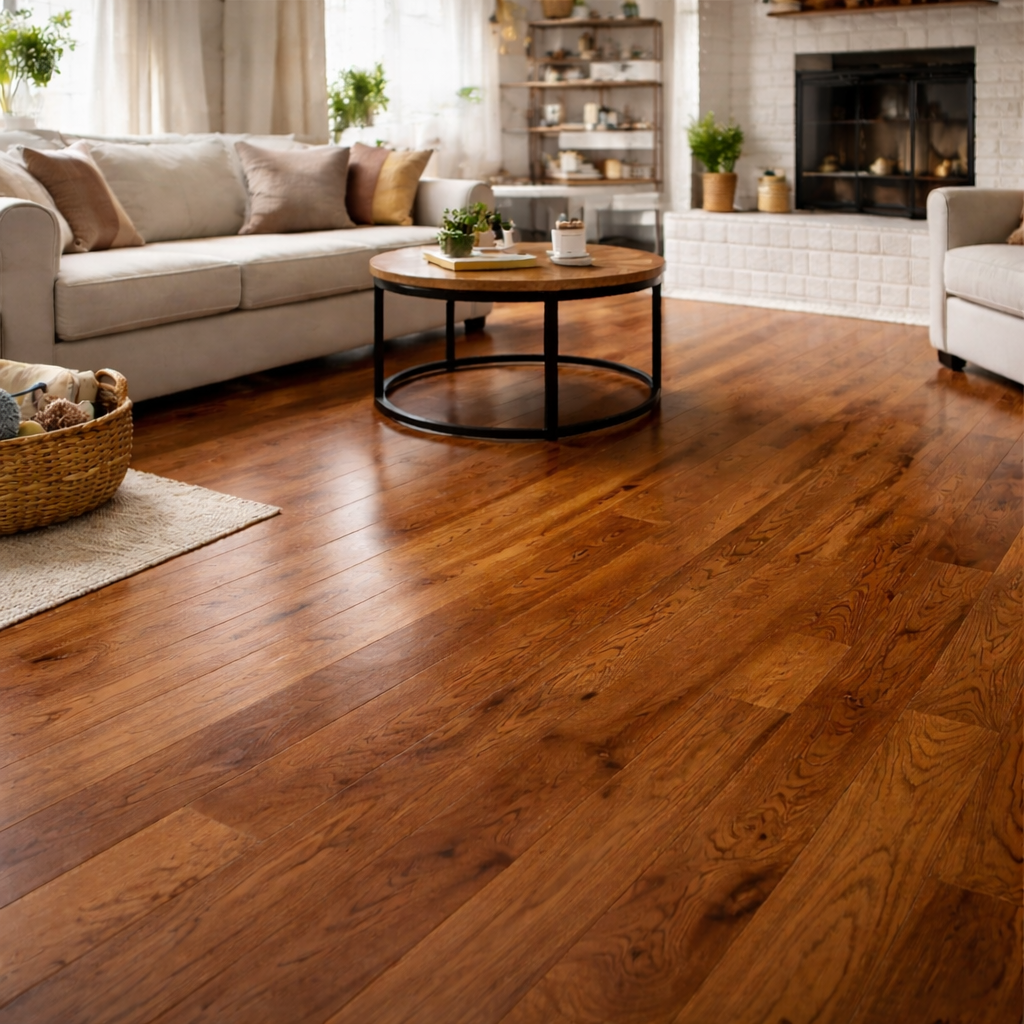
Timeless Style With Long-Term Value
Hardwood flooring has a reputation for elegance and longevity for good reason. It brings warmth, character, and lasting value to a home in a way few other flooring options can match. When chosen correctly, hardwood can last for decades and become one of the defining features of your space.
That said, hardwood is not a one-size-fits-all product. Wood species, construction type, finish, and installation method all play a role in how well hardwood performs, especially in Pennsylvania homes where seasonal humidity and temperature changes are a real factor. This guide walks you through the practical side of choosing hardwood so you can invest confidently.
Who Hardwood Flooring Is Best Suited For
Hardwood flooring is an excellent choice for homeowners who value long-term aesthetics and durability. It works especially well in living rooms, dining rooms, hallways, and open floor plans where visual continuity matters and foot traffic is consistent.
Many Pennsylvania homeowners choose hardwood for main living areas because it pairs well with both traditional and modern home styles. It also appeals to those thinking ahead about resale value, as hardwood remains one of the most desirable flooring options for buyers.
Hardwood may not be ideal for rooms with constant moisture exposure such as full bathrooms or areas prone to dampness. In these spaces, alternative flooring options may offer better long-term performance while still complementing hardwood used elsewhere in the home.
Practical Considerations For Pennsylvania-Area Homes
Pennsylvania’s seasonal climate plays a major role in hardwood performance. Changes in humidity can cause wood to expand and contract naturally, which makes proper product selection and installation critical. This is where understanding the difference between solid hardwood and engineered hardwood becomes important.
Engineered hardwood is often a smart choice for Pennsylvania homes because it is designed to handle humidity fluctuations more consistently. Its layered construction provides added stability while still delivering the authentic look and feel of real wood.
For homes with radiant heat, slab foundations, or below-grade installations, engineered hardwood is typically the preferred option. Solid hardwood can still be an excellent choice on upper levels and traditional subfloors when installed correctly and acclimated properly.
Durability And Maintenance Expectations
Hardwood flooring is built to last, but durability depends on wood species, finish type, and lifestyle factors. Harder species tend to resist dents better, while softer woods can show wear more easily in high-traffic areas.
Modern finishes help protect hardwood from everyday wear, but no wood floor is completely maintenance-free. Routine sweeping, occasional damp cleaning with approved products, and the use of protective pads under furniture all help extend the life of your floor.
One of hardwood’s biggest advantages is its ability to be refreshed. Solid hardwood can often be refinished multiple times, restoring its appearance years down the line. Some engineered hardwood products can also be refinished depending on the thickness of the wear layer.
General Cost Considerations
Hardwood flooring typically represents a higher upfront investment compared to carpet or laminate, but it delivers long-term value. Costs vary widely based on wood species, plank width, finish, and installation method.
Engineered hardwood often provides a more accessible entry point while still offering a premium look. It can also reduce installation complexity in certain spaces, which may help manage overall project cost.
When evaluating cost, it helps to think beyond the initial purchase. Hardwood’s longevity, potential for refinishing, and strong resale appeal often make it a worthwhile investment over time.
How To Choose The Right Hardwood
The best way to choose hardwood is to consider how the room will be used, how much natural light it receives, and how it connects to other areas of the home. Plank width, color variation, and finish sheen all influence how the floor will look once installed.
Viewing hardwood samples in your own home makes a meaningful difference. Lighting conditions and surrounding colors can dramatically change how wood appears. Carpet Fair’s shop-at-home service allows you to compare hardwood options in the exact environment where they will live, leading to better decisions and greater satisfaction.
See Hardwood In Your Own Space
Wood tones and finishes change depending on lighting and surroundings. Carpet Fair brings hardwood samples to your home so you can see exactly how they will look once installed.